
About All Tours Sunrise ToursSunset ToursSunrise Bike ToursBike ToursPrivate ToursStargazing & Astronomy Tours Directions Hours & Fees
Find Tours 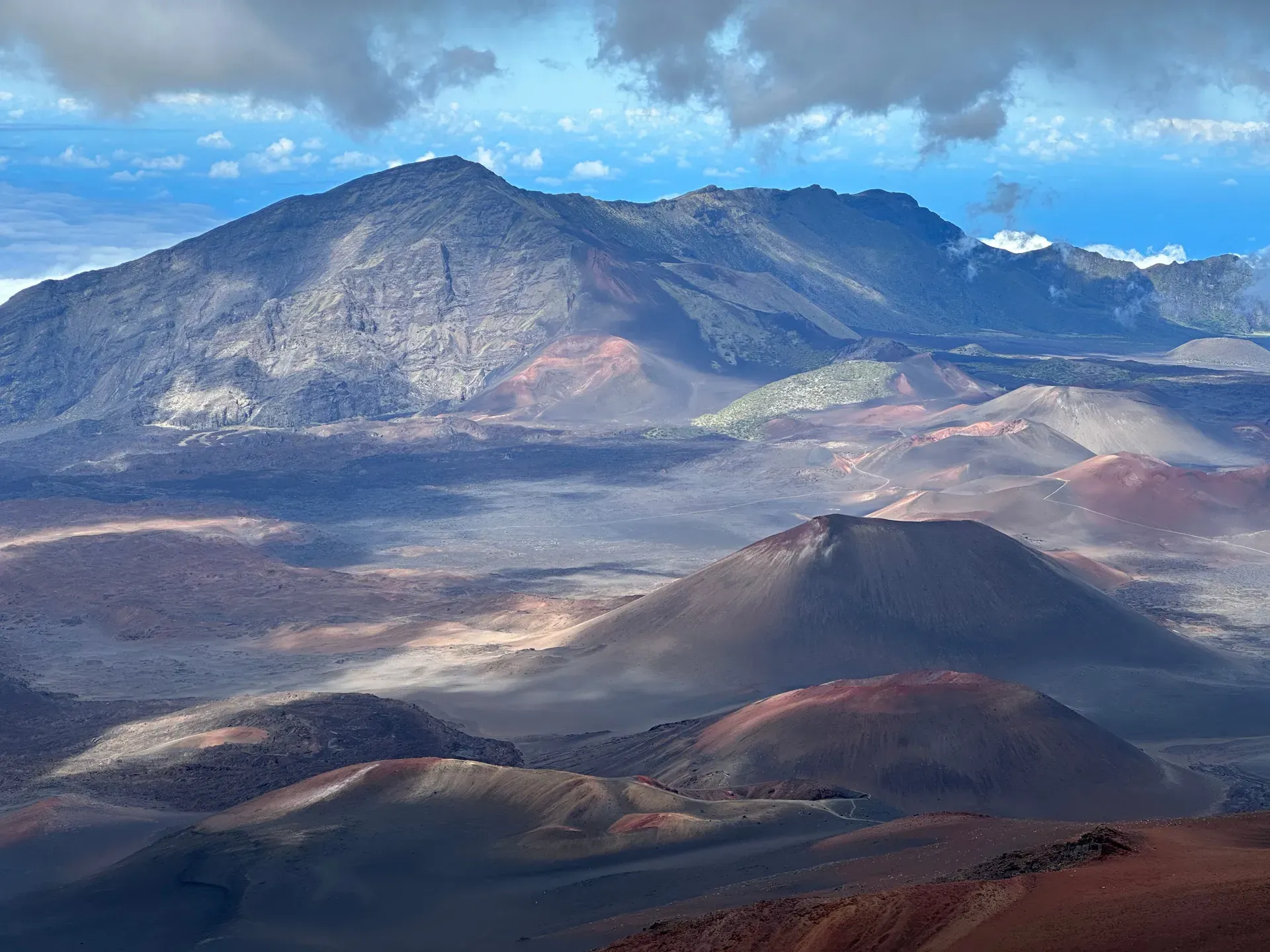
Rising 10,023 feet above sea level, this massive shield volcano forms more than 75% of Maui and features a summit depression spanning 11.25 miles across. Visitors can hike through lunar-like red cinder plains on the Sliding Sands Trail or explore dense bamboo forests leading to the 400-foot Waimoku Falls in the coastal Kīpahulu District.
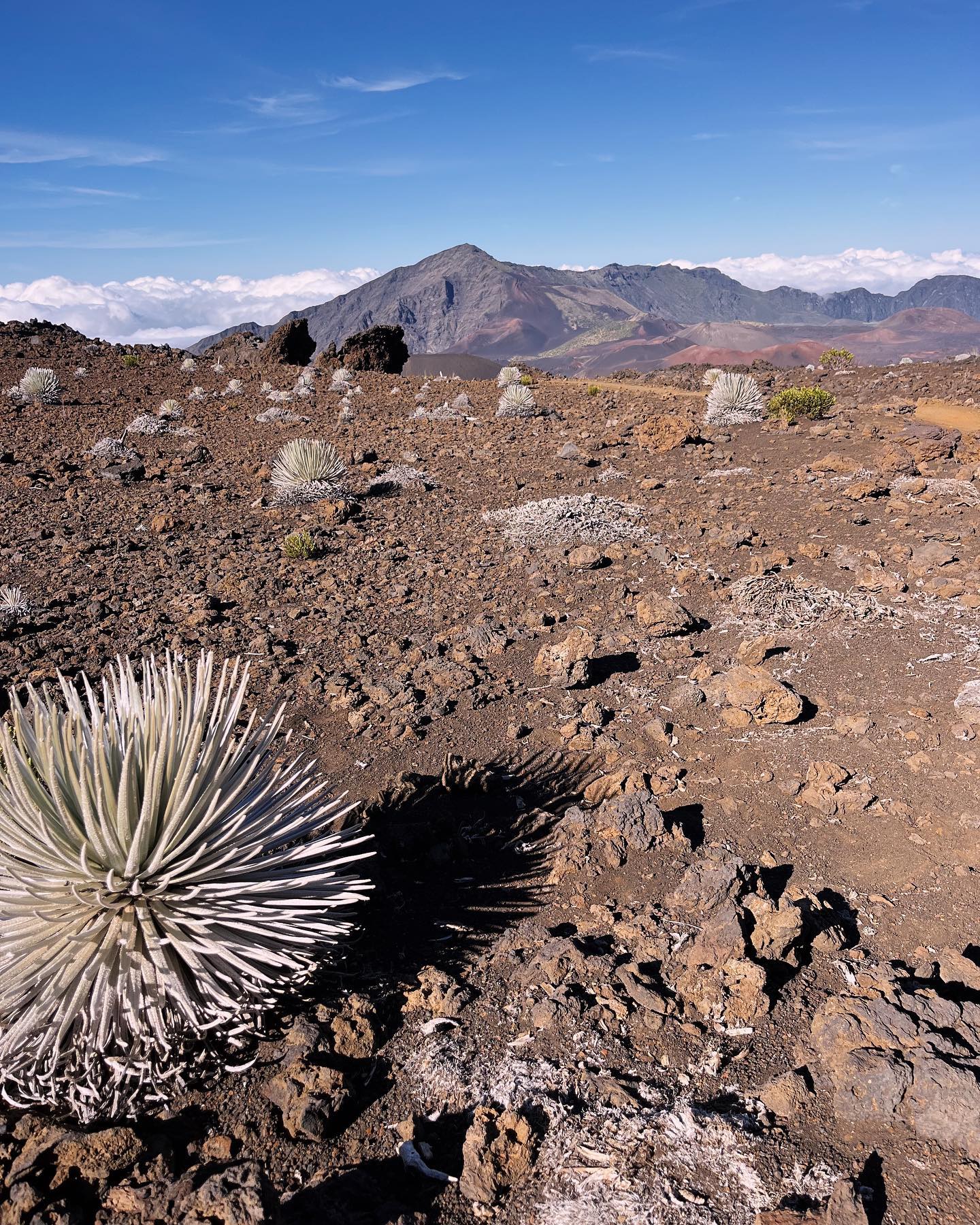
Find Guided ToursHaleakalā is a massive, active shield volcano that forms more than 75 percent of the island of Maui. Rising from the ocean approximately one million years ago, its highest peak, Puʻu ʻUlaʻula, stands at an elevation of 10,023 feet. The summit features an enormous erosional depression measuring 11.25 miles across, 3.2 miles wide, and nearly 2,600 feet deep. Rather than a traditional crater, this vast valley was carved by water erosion and landslides as the Koʻolau and Kaupō gaps coalesced.
The area was originally established as part of Hawaii National Park in 1916 before becoming a separate entity in 1961. Today, Haleakalā National Park covers 33,265 acres, including 24,719 acres of designated wilderness. The landscape transitions dramatically from alpine desert cinder plains to sub-tropical coastal rainforests. Designated as an International Biosphere Reserve, the park protects the highest concentration of endangered species of any national park in the United States.
To Native Hawaiians, Haleakalā is deeply sacred. It is considered an ancestor whose volcanic stones embody the creative force of Pele. Historically, the high-altitude environment served as a natural observatory for celestial navigation. It was also an essential resource hub where early Hawaiians quarried basalt to craft koʻi, or adzes, and performed sacred piko (umbilical cord) ceremonies. Evidence of early Hawaiian habitation in the coastal Kīpahulu District dates back to between 1164 A.D. and 1384 A.D.
The first written record of a summit ascent dates to 1828, completed by missionaries Richard Green, Lorrin Andrews, and William Richards. Decades later, modern infrastructure made the extreme elevations more accessible. Between 1933 and 1935, the winding ten-mile summit road was constructed. The Civilian Conservation Corps subsequently developed early park facilities, completing the Haleakalā Visitor Center in 1936 and backcountry cabins in 1937.
Discover the full history and cultural significance on our About page.
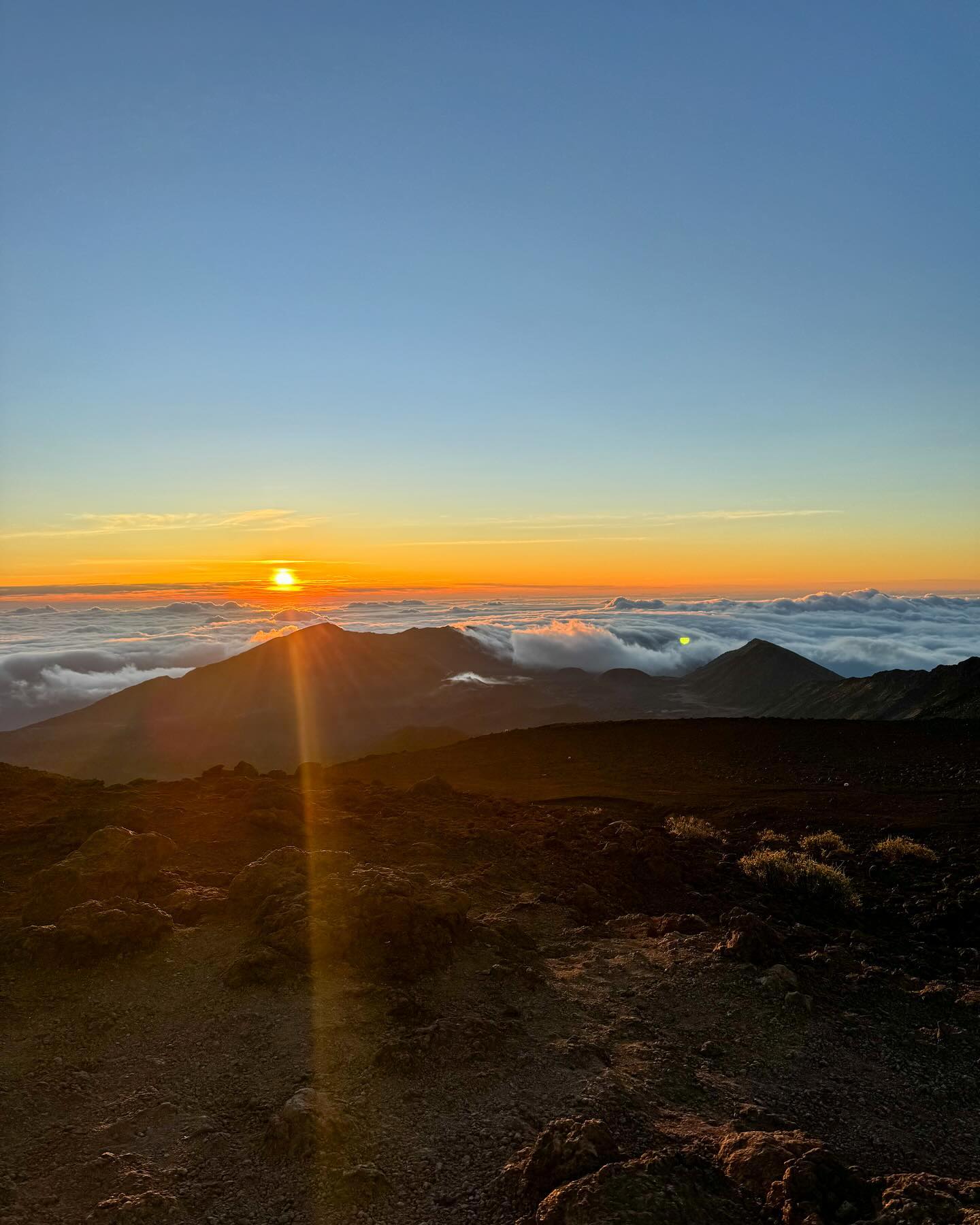
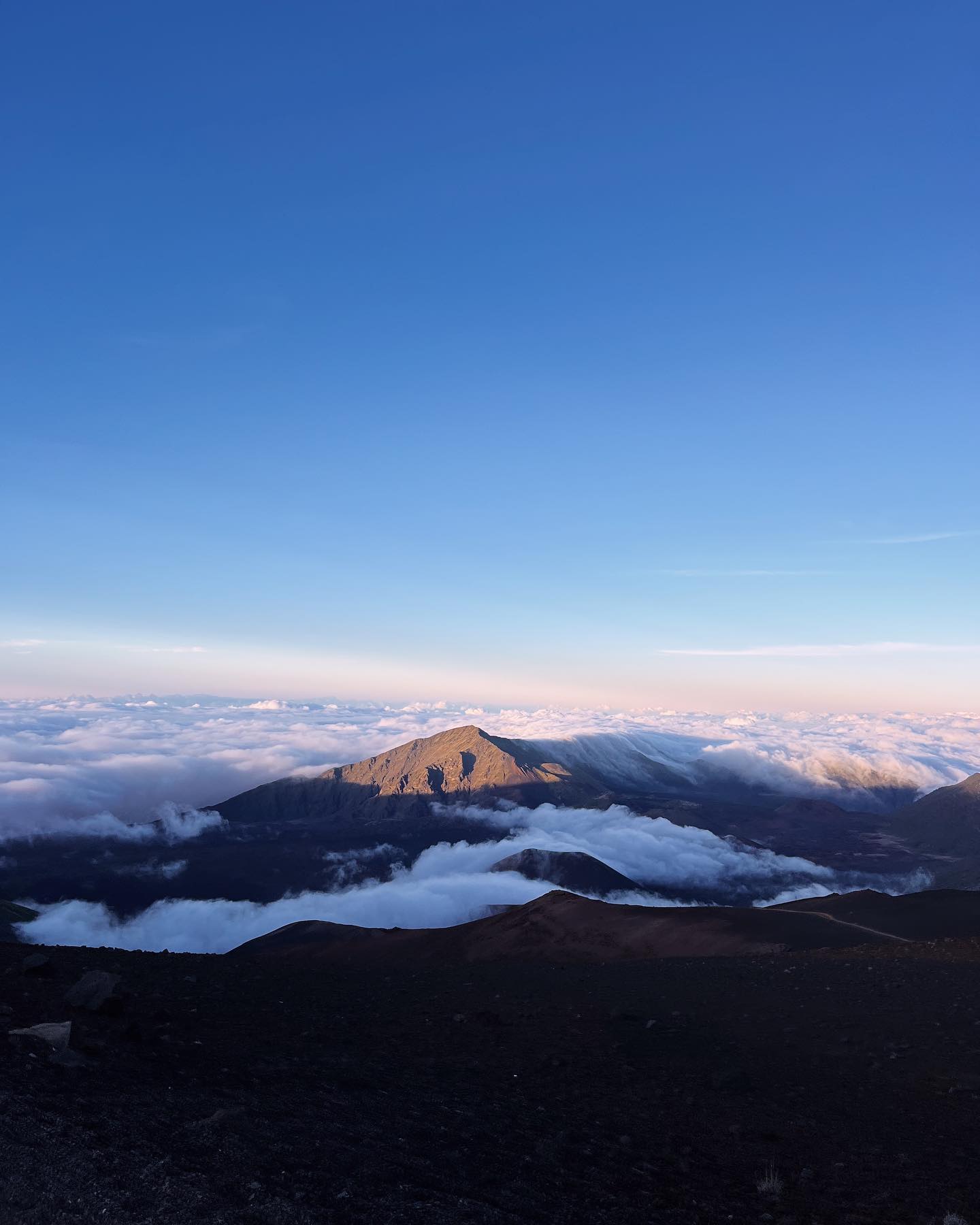
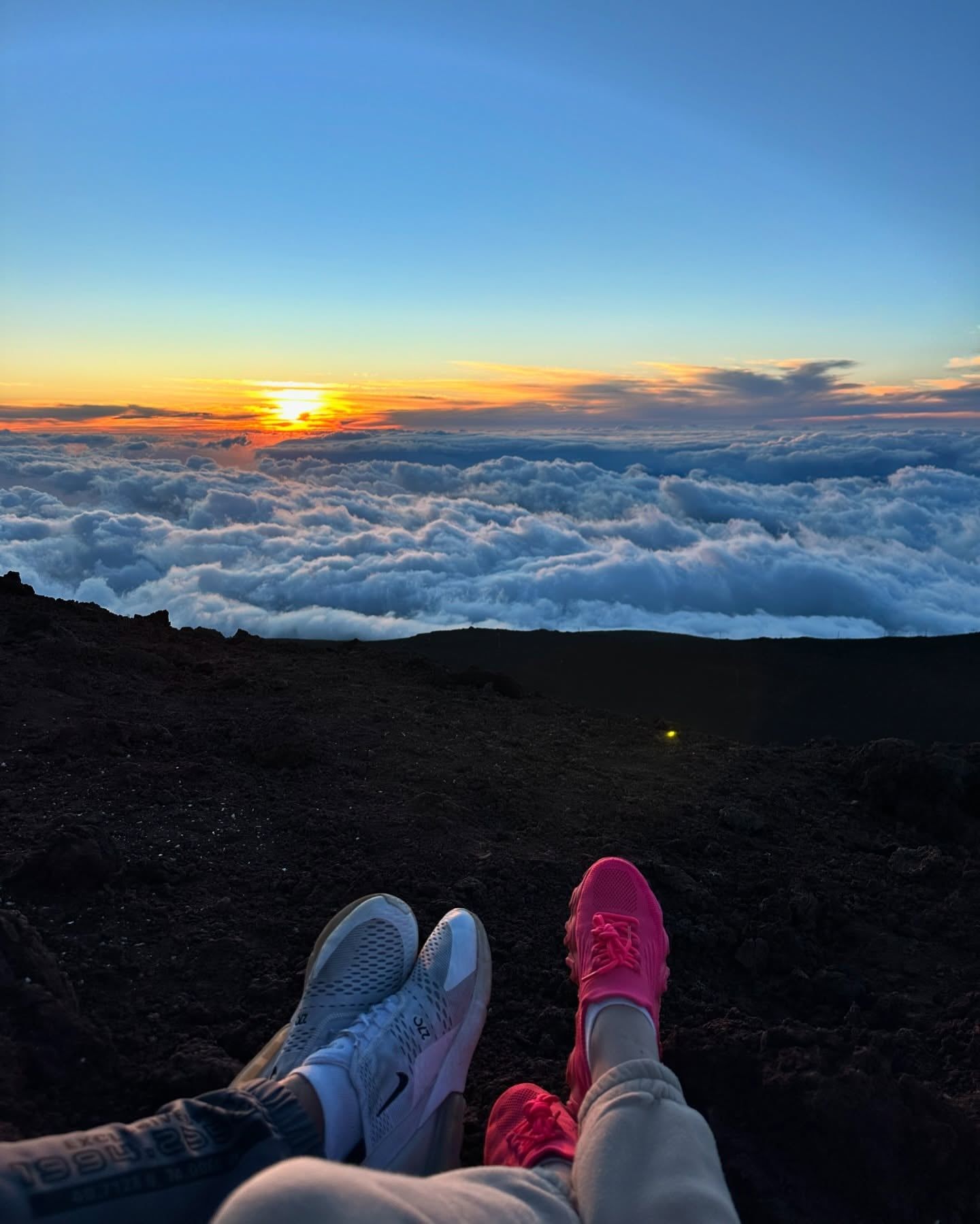
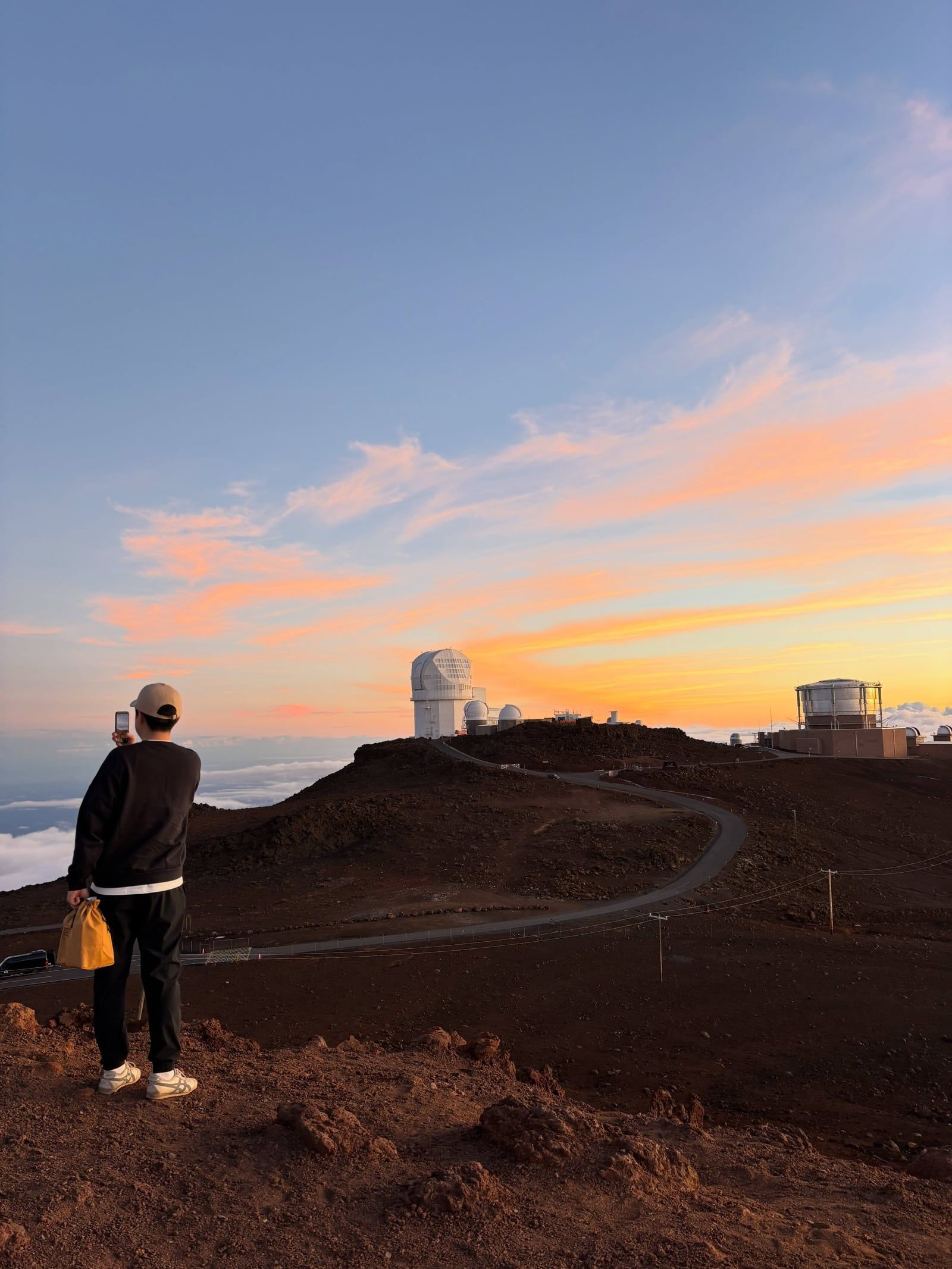
At 10,023 feet above sea level, the Puʻu ʻUlaʻula overlook provides sweeping vantage points of the crater floor and thick cloud layers below. Arrive early to secure your spot for the daily sunrise, which occurs between 5:30 and 6:30 a.m. Advance vehicle reservations are strictly required.
Located in the coastal Kīpahulu District, this moderate 4-mile round-trip hike climbs through a dense bamboo forest. The trail leads hikers past the 184-foot Makahiku Falls overlook before terminating at the base of the spectacular 400-foot Waimoku Falls. Allow ample time to safely navigate the muddy terrain.
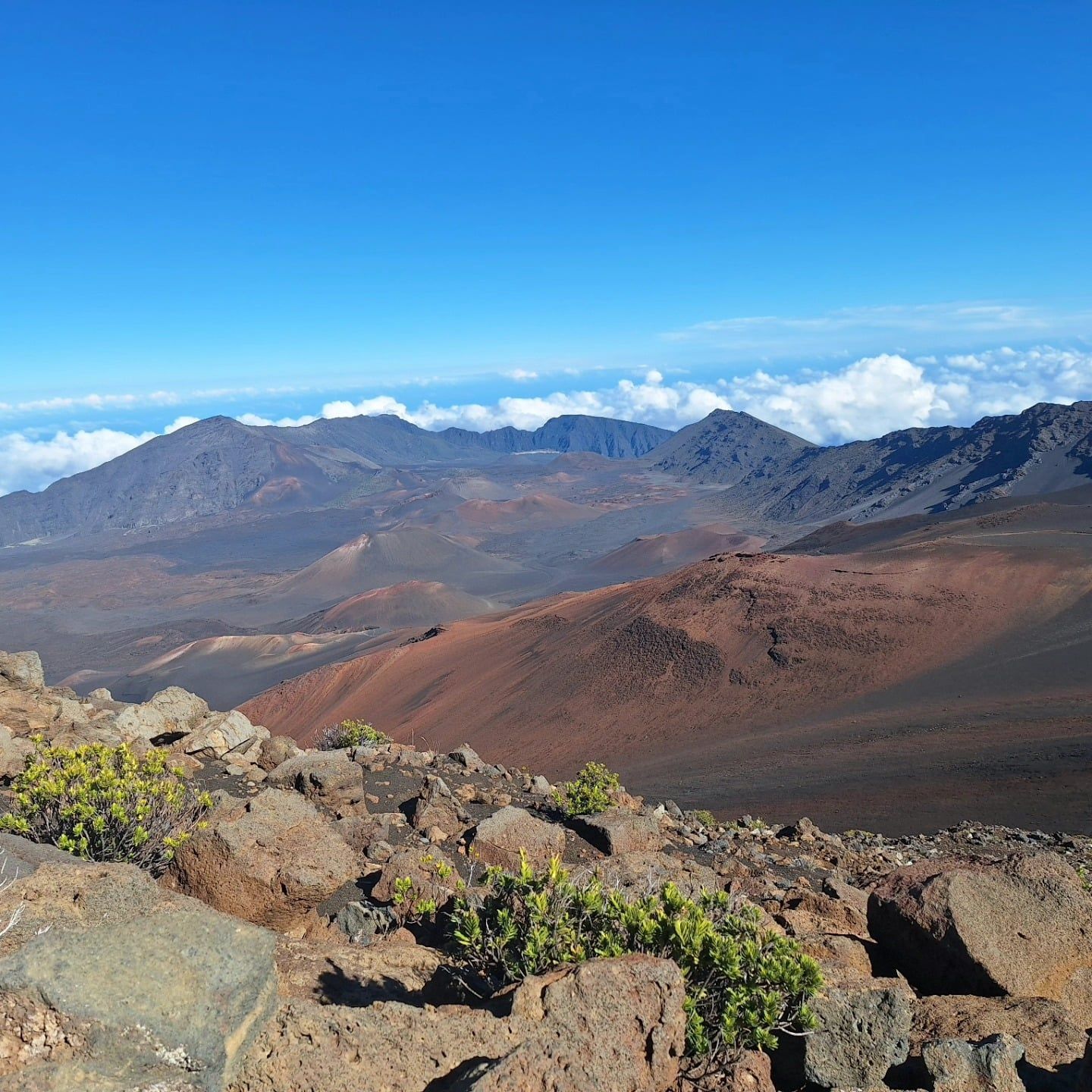
Starting at the summit parking lot, the Keoneheʻeheʻe Trail drops directly into an 11.25-mile-wide erosional depression. Hikers traverse a stark, lunar-like landscape of red cinder and towering volcanic cones. Temperatures fluctuate rapidly here, dropping up to 50 degrees Fahrenheit compared to sea level, making warm layers mandatory.
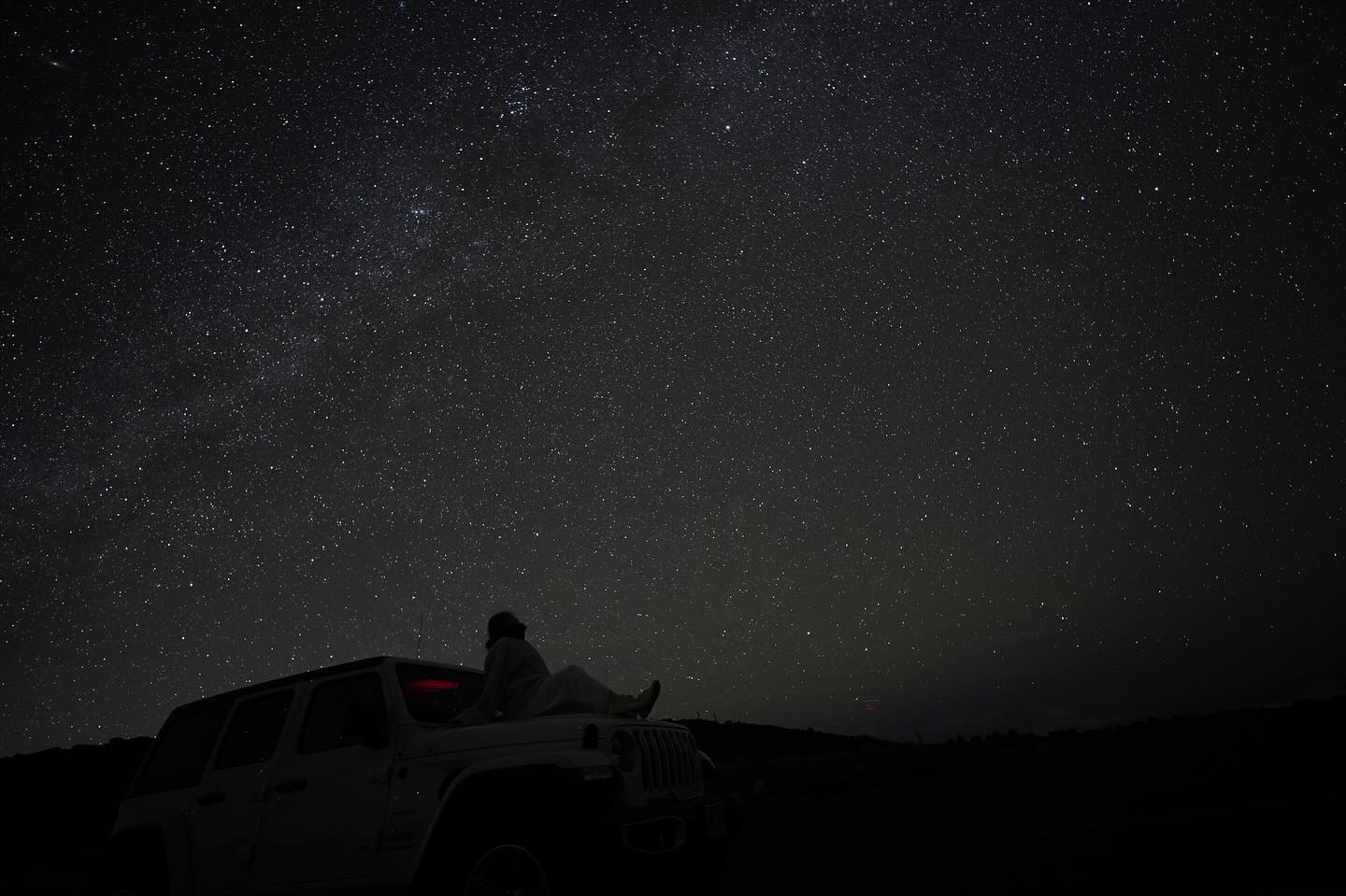
After the sun sets, the summit transforms into a natural observatory. The extreme elevation and complete lack of light pollution create optimal conditions for viewing the Milky Way. Visitors can identify distant nebulae across the dark sky, continuing a long Native Hawaiian tradition of celestial navigation.
Hand-picked tours with free cancellation and verified reviews
 Free Cancellation 10h
  Free Cancellation 2h
  Free Cancellation 7h
  Free Cancellation 8h
  Free Cancellation
  Free Cancellation 8h
  Free Cancellation 5h
  Free Cancellation 7h
 The optimal time to visit Haleakalā is during the drier summer months to avoid heavy cloud cover and frequent summit rain. Summer provides the most stable weather for stargazing and exploring the park's 30 miles of wilderness trails.
Transitioning out of the wet season, spring offers improving weather, though visitors may still encounter summit rain and cloud walls. Early morning sunrise visits remain viable between 5:30 and 6:30 a.m.
These drier months are highly recommended for their stable weather. Clear skies provide optimal conditions for stargazing and hiking the 30 miles of wilderness trails without heavy cloud cover.
As the park moves toward the wet season, the likelihood of summit rain and low visibility increases. However, early morning sunrise access remains consistent between 5:30 and 6:30 a.m.
The wet season brings extreme weather, including freezing temperatures, high winds, and bone-chilling hail. Heavy rain creates muddy, slick trails and thick cloud walls that severely reduce visibility.
The Summit and Kīpahulu Districts of Haleakalā National Park operate 24 hours a day, 365 days a year. Visitor center hours vary by location. The Headquarters Visitor Center is open daily from 8:30 am to 4:30 pm. The Haleakalā Visitor Center operates from sunrise to 12:00 pm, and the Kīpahulu Visitor Center is open from 9:00 am to 5:00 pm.
| Category | Price |
|---|---|
| Private vehicle (up to 14 capacity, valid for 3 days) | $30.00 |
| Motorcycle (valid for 3 days) | $25.00 |
| Pedestrian or bicyclist (valid for 3 days) | $15.00 |
| Hawaii Tri-Park Annual Pass | $55.00 |
| America the Beautiful Annual Pass or Lifetime Senior Pass | $80.00 |
| Sunrise vehicle reservation fee | $1.00 |
A vehicle reservation is strictly required to enter the Summit District between 3:00 am and 7:00 am. These cost $1.00 per vehicle and must be booked in advance via Recreation.gov. Tickets are released 60 days in advance at 7:00 am HST, with a smaller portion released 2 days in advance. Entrance fees are waived on specific fee-free days, such as Martin Luther King Jr. Day, Veterans Day, and the National Park Service Birthday, but the $1.00 sunrise reservation fee still applies.
For complete schedules and ticket prices, visit our Hours & Fees page.
Because Maui lacks public transportation to the park, visitors must travel via the steep and winding Haleakalā Highway. Access requires renting a private vehicle, riding a bicycle, or booking an authorized commercial tour.
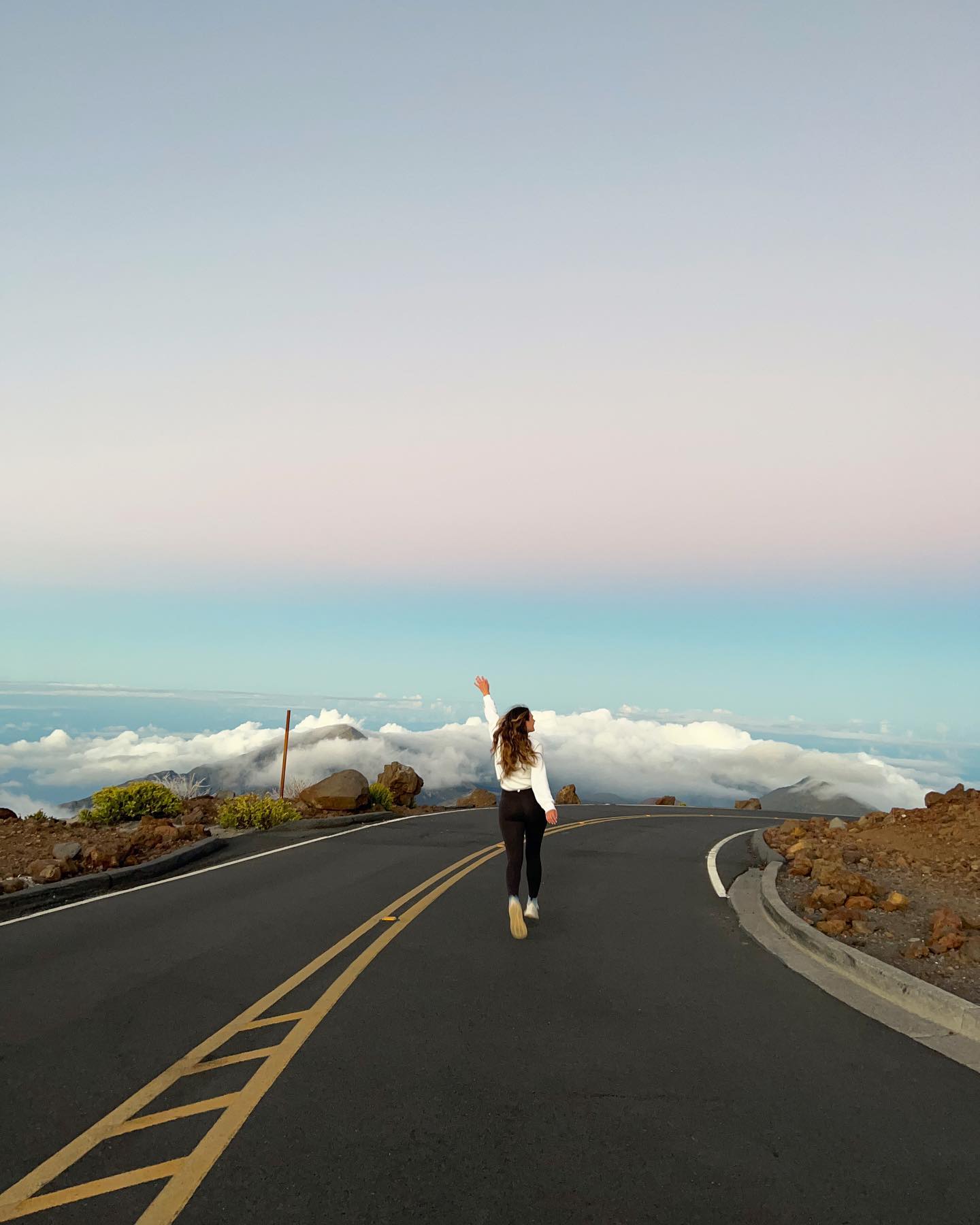
Visitors driving from Kahului Airport will travel 38 miles to reach the summit. The route follows the Haleakalā Highway, transitioning into a steep, winding ten-mile road from the park entrance. Drivers must ensure their gas tanks are full in Pukalani or Paʻia, as no fuel is available inside. Electric vehicles are highly discouraged due to the steep climb and lack of charging stations.
Maui lacks any public transportation system servicing either district of the national park. Travelers without a rental vehicle must book an authorized commercial tour to access the mountain. These guided excursions navigate the winding Haleakalā Highway directly to the 10,023-foot summit. Tour operators handle the driving, which is helpful during early morning hours when navigating the steep, dark roads is challenging.
Riding a motorcycle offers an exposed, scenic ascent up the steep Haleakalā Highway. Riders cover the 38-mile route from Kahului Airport, navigating the final ten miles of winding roads to the summit. Weather conditions change rapidly, requiring heavy layers to combat high winds, freezing rain, and temperature drops up to 50 °F. Riders must fill their fuel tanks in nearby towns before starting the steep climb.
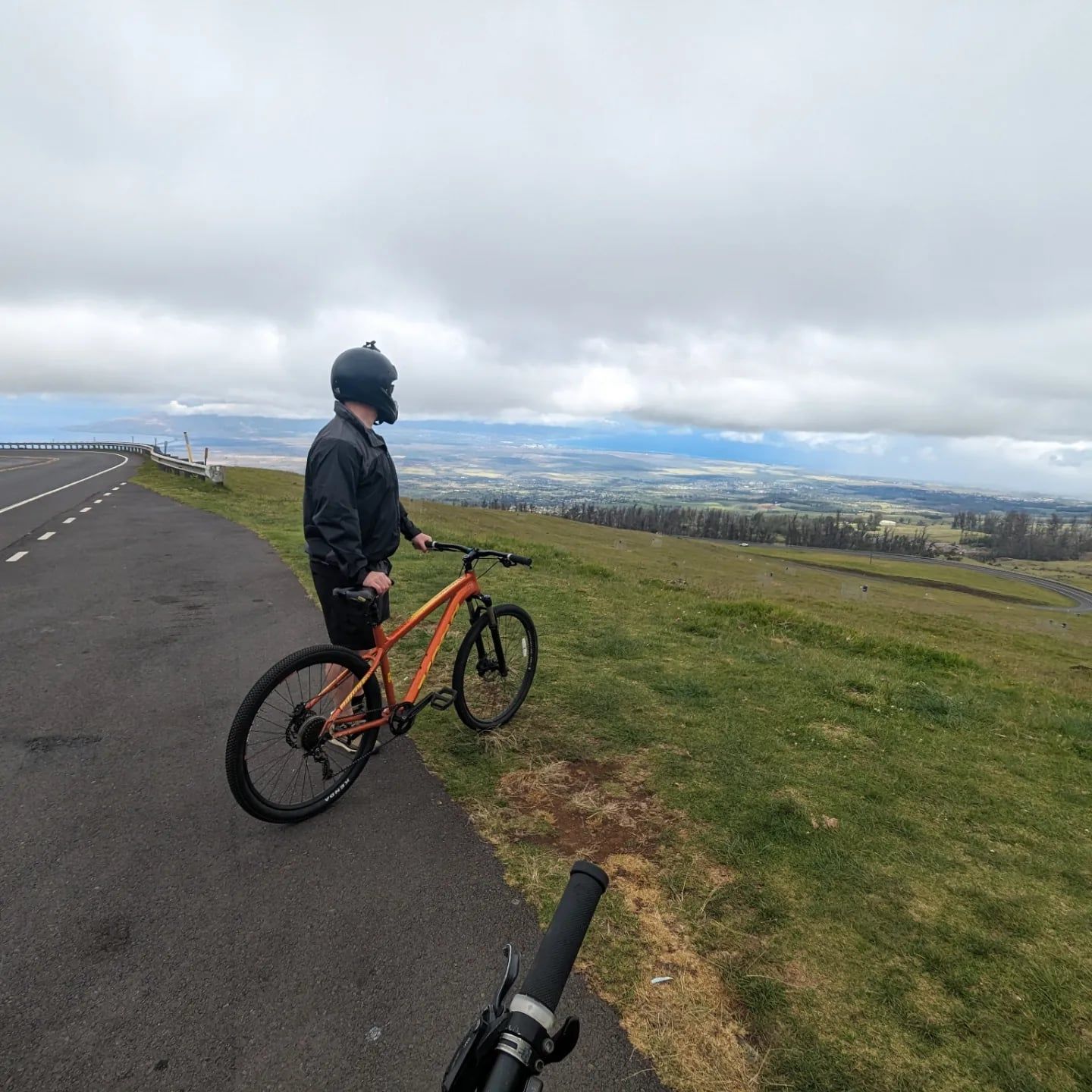
Cyclists can pedal their way into the park for a physically demanding ascent up the volcano. The route utilizes the same steep, winding Haleakalā Highway that motor vehicles use. Riders face a grueling climb to the 10,023-foot summit, dealing with thin air and temperatures that can drop to near freezing. There are no food or water concessions along the way, requiring cyclists to pack all necessary supplies.
For detailed transport options and routes, visit our Directions page.
Vehicle access to the summit between 3:00 am and 7:00 am requires a strict $1.00 reservation via Recreation.gov. Tickets are released 60 days in advance at 7:00 am HST, with a smaller batch available two days prior. If you miss out, sunset requires arriving two to three hours early for parking.
Temperatures at the 10,023-foot summit drop 30 to 50 degrees Fahrenheit below sea level conditions. You will often encounter near-freezing weather and high winds. Always bring a heavy jacket, long pants, closed-toe shoes, a beanie, and gloves. Dress in multiple layers to adapt as the morning warms up.
The park contains zero gas stations, food concessions, or drinking water sales. Fill your gas tank in Pukalani, located 18 miles away, before making the steep climb. Electric vehicles are highly discouraged due to the lack of charging stations and the massive elevation gain. Pack a cooler with your meals.
Ascending rapidly to over 10,000 feet often causes altitude sickness, triggering headaches, dizziness, and nausea. Walk slowly and drink plenty of water at the summit overlooks. Elderly visitors and those with pre-existing heart or respiratory conditions should consult a doctor before making the drive. Descend immediately if symptoms worsen.
You must clean all shoes and equipment with a 70 percent alcohol solution to prevent the spread of Rapid ʻŌhiʻa Death, especially if you recently visited Kauai or Hawaii Island. Always stay on designated paths. Off-trail hiking is strictly prohibited to protect endangered silversword plants and prevent soil erosion.
There is absolutely no cell phone service inside the crater, and coverage remains extremely limited at trailheads. Share your hiking itinerary with a trusted contact before entering the park boundaries. When driving the winding 10-mile summit road, use headlights in low visibility and watch for endangered nēnē crossing.
Located in Upcountry Maui, Kula provides cool mountain air and aromatic eucalyptus groves. Travelers can explore local botanical gardens and lavender farms before dining at rustic upcountry restaurants.
This historic surf town on Maui's North Shore features a 1960s hippie vibe along with art galleries and local restaurants. It sits in close proximity to windsurfing at Hoʻokipa Beach.
Famous for the green-mantled rock formation known as the Iao Needle, this scenic park offers paved, wheelchair-accessible pathways. It provides a peaceful detour with sweeping views of the surrounding mountains.
Read what travelers share about their experience visiting Haleakalā — from practical tips to personal highlights.
Standard entrance passes cost $30.00 per private vehicle, $25.00 per motorcycle, and $15.00 per pedestrian or bicyclist. These passes are valid for three days and cover entry to both the Summit and Kīpahulu Districts. You can also use annual passes like the $55.00 Hawaii Tri-Park pass.
Yes, a vehicle reservation is strictly required to enter the Summit District between 3:00 am and 7:00 am daily. The reservation costs $1.00 per vehicle and must be booked online through Recreation.gov. Standard park entrance fees still apply upon arrival.
There is no public transportation system on Maui that services either district of the national park. Visitors must rent a private car, ride a bicycle, or book an authorized commercial tour. Driving from Kahului Airport takes about 1.5 to 2.5 hours over a steep, 38-mile winding road.
You must dress in warm, heavy layers because temperatures at the 10,023-foot summit can drop 30 to 50 °F lower than at sea level. Bring a heavy jacket, long pants, closed-toe shoes, a beanie, and gloves. Warm clothing is mandatory to protect against high winds and near-freezing temperatures during sunrise and sunset.
The Park Headquarters, Haleakalā, and Kīpahulu visitor centers, as well as the summit building, are wheelchair accessible. Hosmer Grove is the only wheelchair-accessible campground and features a paved path. Most other trails are unpaved, steep, or rocky, making them unsuitable for wheelchairs.
A typical visit to either the Summit District or the coastal Kīpahulu District takes about 4 to 5 hours. If you plan to tour both non-contiguous districts in a single day, expect the itinerary to require around 8 hours.
Sunrise reservations are released online 60 days in advance at 7:00 am HST. A smaller batch of tickets is also released two days in advance at 7:00 am HST for last-minute travelers. These $1.00 tickets sell out quickly, so prompt booking is necessary.
There are absolutely no food outlets, restaurants, or gas stations located within either district of the park. Visitors must pack all their own meals and fill up their gas tanks in nearby towns before entering. Pukalani is 18 miles away and Paia is 45 miles away, making them the best final stops for fuel.
Browse verified tours with free cancellation and instant confirmation.
Find Tours