
About All ToursSunrise ToursSunset ToursSunrise Bike ToursBike ToursPrivate ToursStargazing & Astronomy Tours Directions Hours & Fees
Find Tours 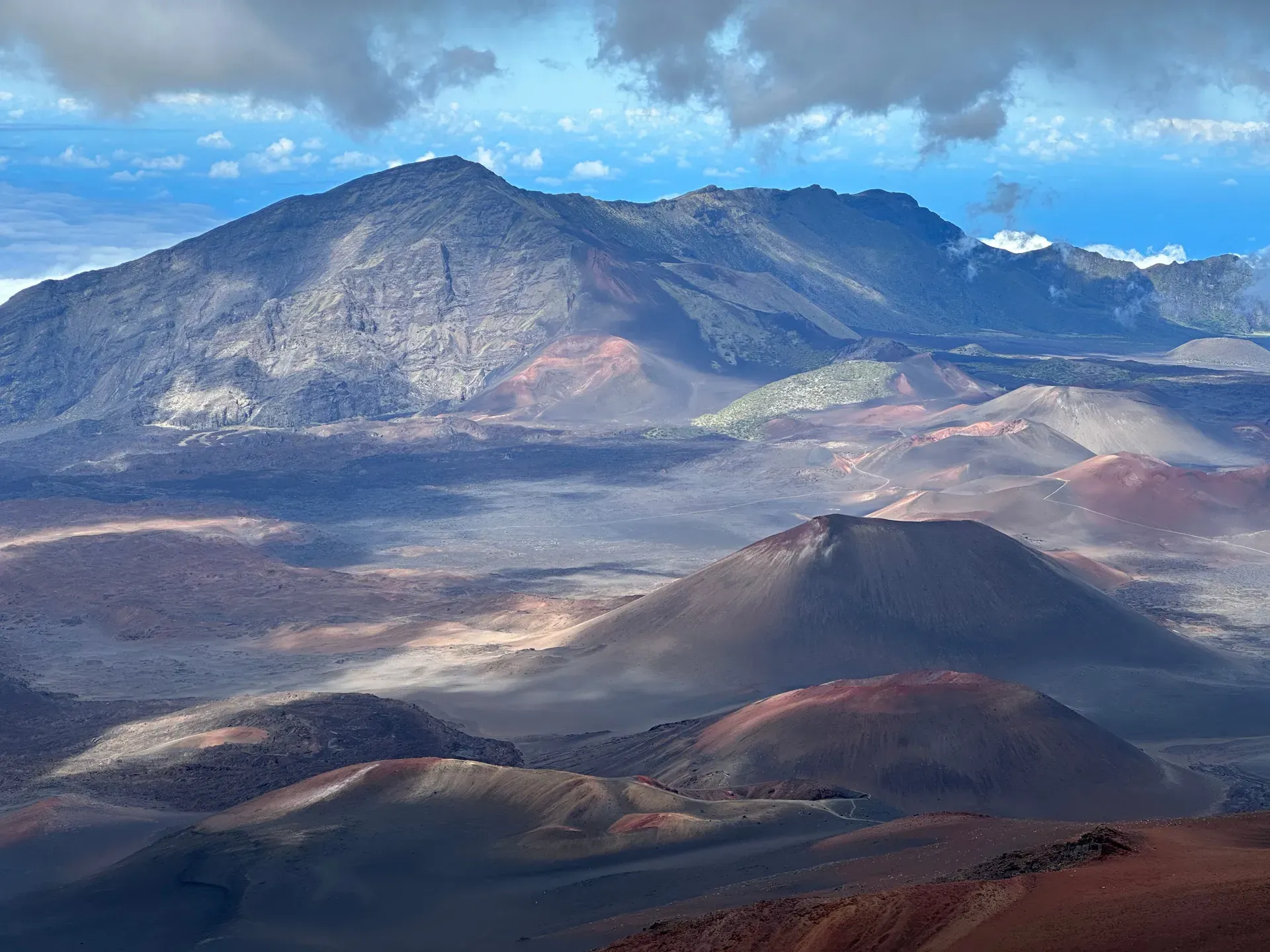
Experience the thrill of descending Maui's famous volcano with a Haleakalā bike tour. Choose from guided or self-guided rides starting at the 6,500-foot level, with optional sunrise summit viewing before your descent.
 Free Cancellation
 Watch the sunrise from Haleakala's summit before a 20-mile guided bike descent through Maui’s volcanic landscape.
 Free Cancellation
 A self-guided downhill bike ride from 6,500 feet on Haleakala, passing through historic towns and local shops.
 Free Cancellation
 Watch the Haleakala sunrise followed by a guided 15-mile bike descent from 6,500 feet to the town of Makawao.
 Free Cancellation
 Coast 15 miles down the switchbacks of Haleakala, starting at 6,500 feet and ending in the town of Haiku.
 Free Cancellation
 Watch the sunrise at Haleakala's summit before a 6,500-foot downhill bike ride through Upcountry Maui to the coast.
 Free Cancellation
 Tour Haleakala National Park before a 15-mile guided bike descent from 6,500 feet through Maui’s volcanic landscape.
 Free Cancellation
 Ride from the gates of Haleakala National Park down to the North Shore town of Paia with local guides.
 Free Cancellation
 Watch the sunrise from 6,500 feet before biking down the slopes of Haleakala all the way to the coast at Paia.
 Free Cancellation
 Explore Maui at your own speed on this independent, self-guided bike tour starting from our central base.
Read what travelers share about their experience visiting Haleakalā — from practical tips to personal highlights.
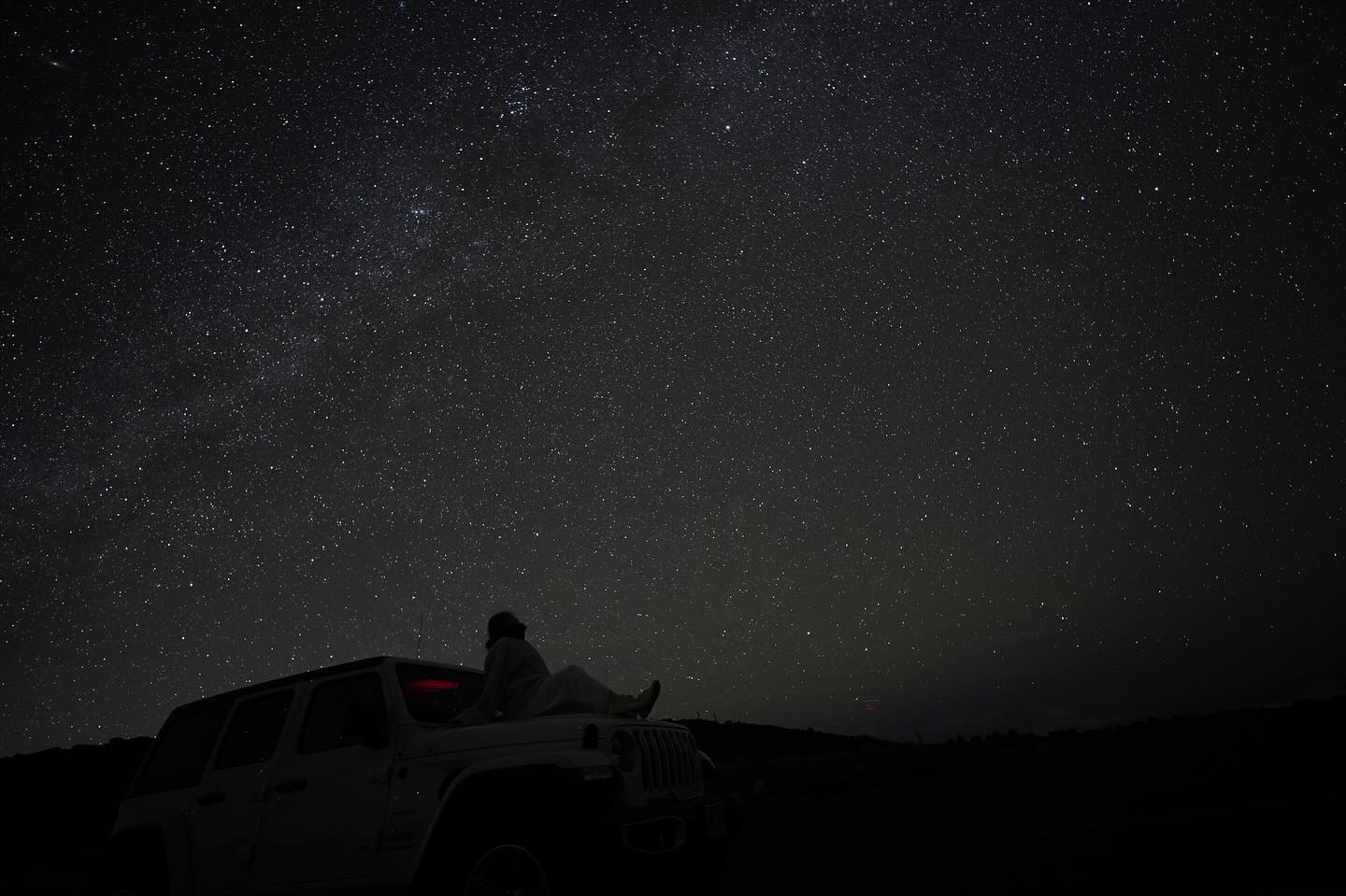
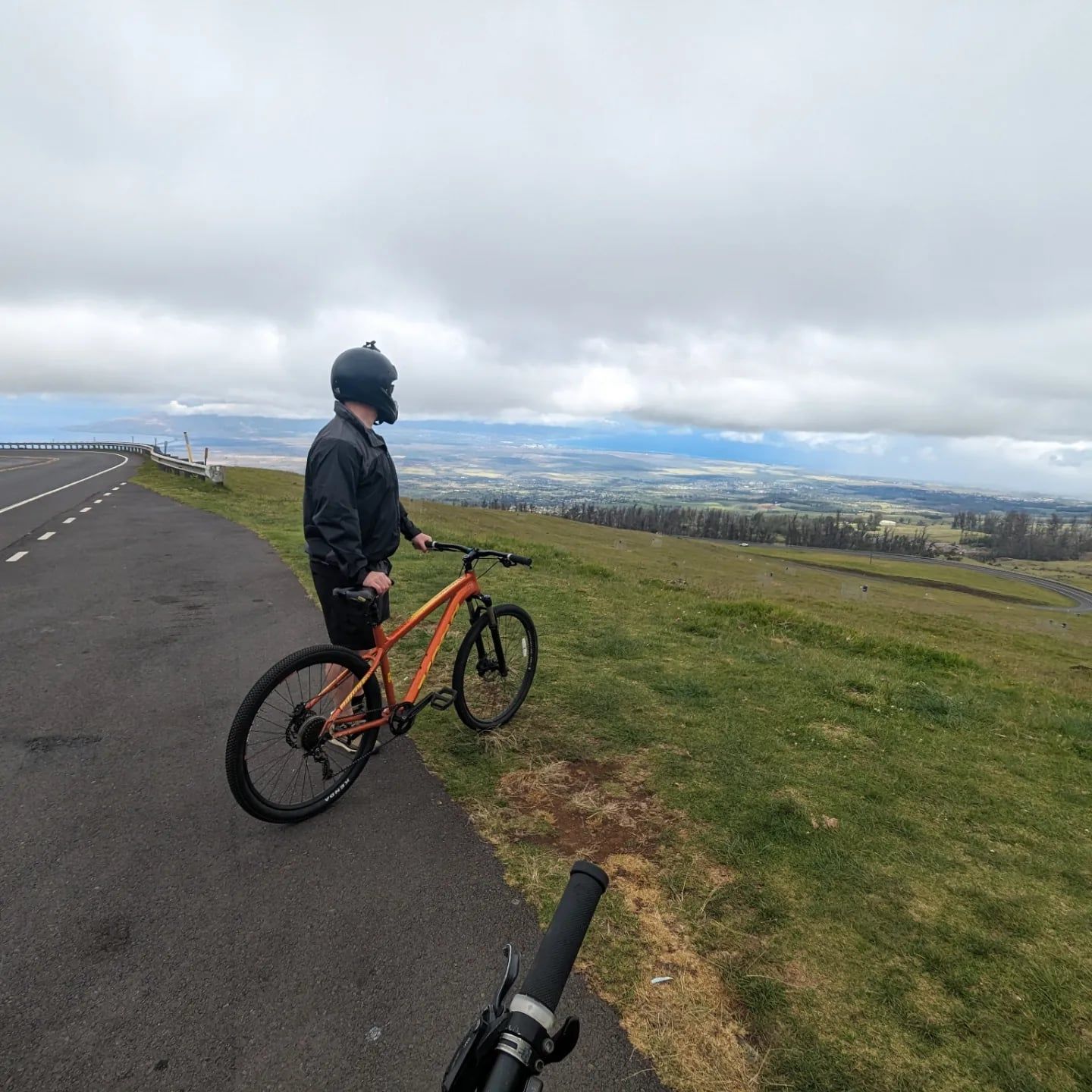
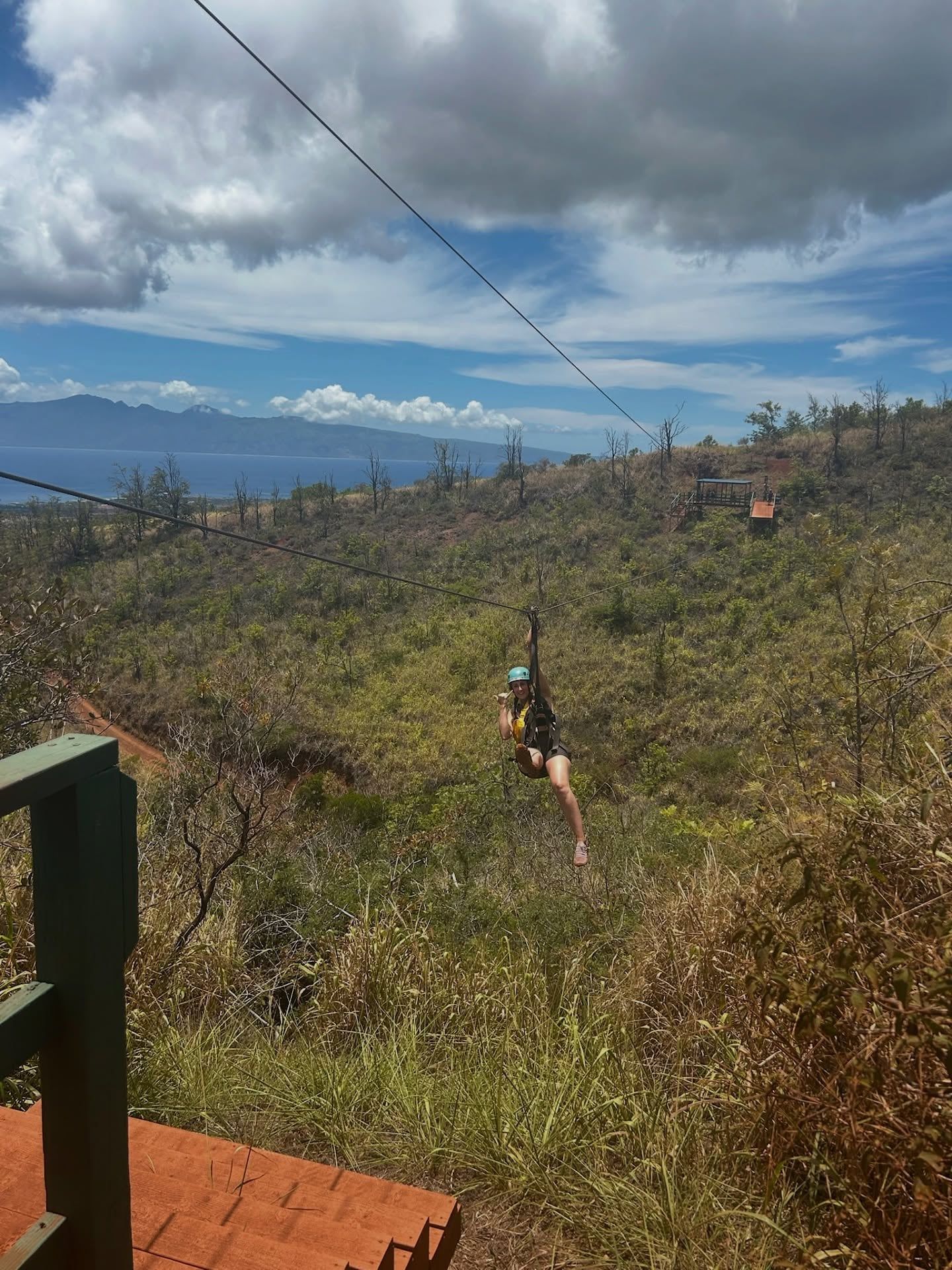
A Haleakalā bike tour is a thrilling way to experience Maui's massive shield volcano. You'll typically ride a shuttle up the mountain, taking in the dramatic elevation changes, before hopping on a custom mountain bike at the 6,500-foot mark to cruise down miles of winding switchbacks toward the coast.
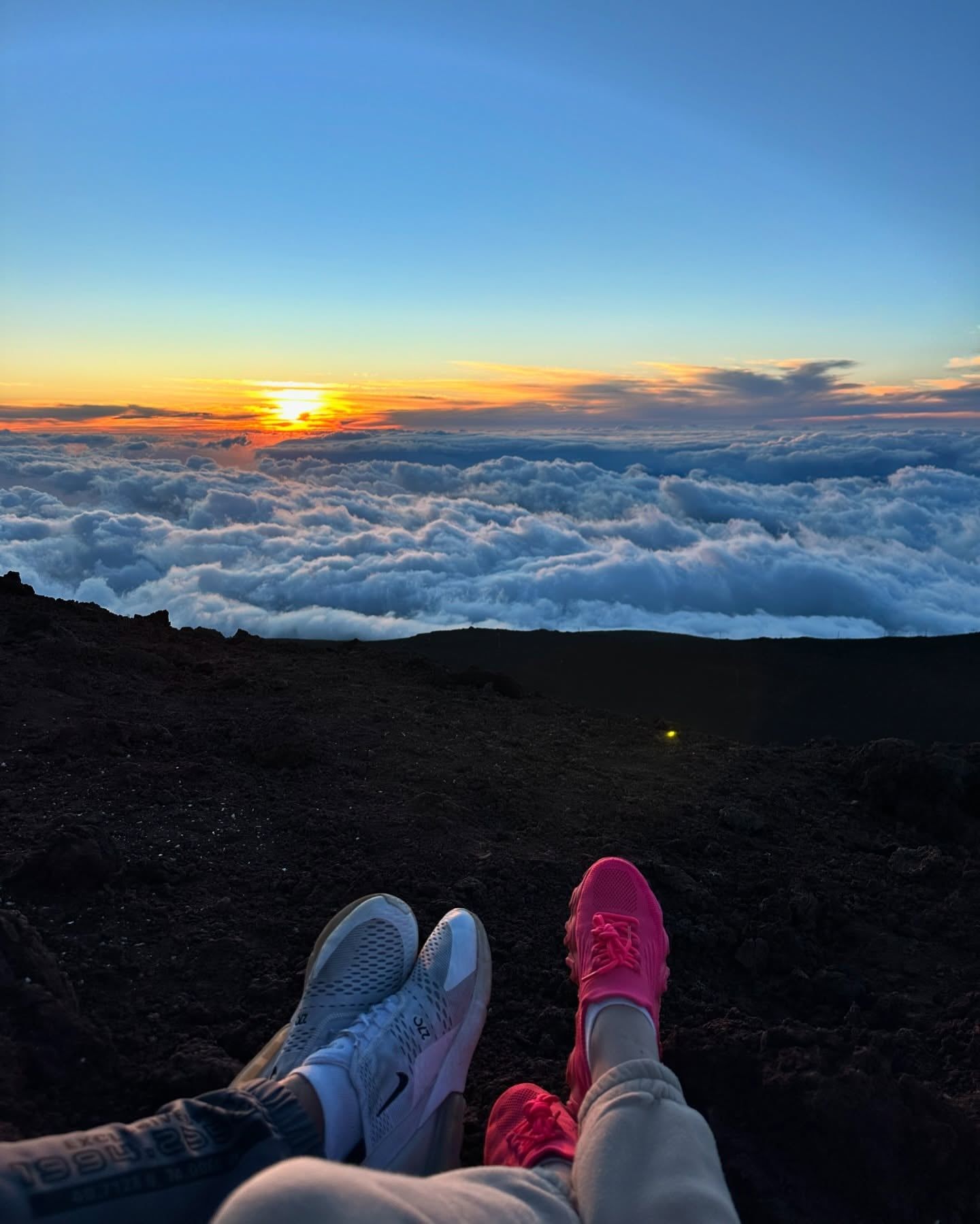
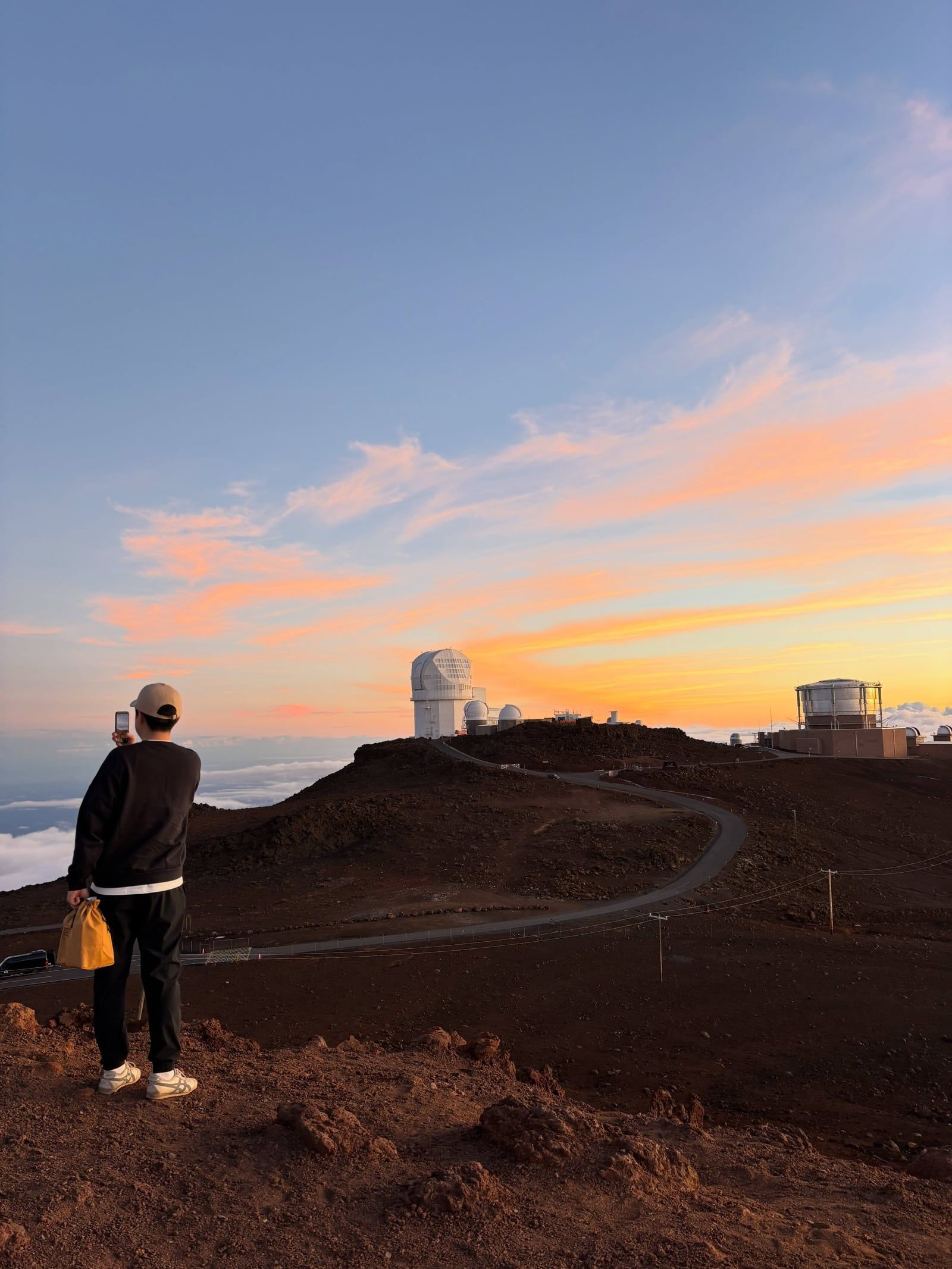
Many tours kick off with a van ride to the 10,023-foot summit of Puʻu ʻUlaʻula before dawn. Standing above the cloud layer, you'll witness an unforgettable sunrise over the massive, 2,600-foot-deep volcanic depression.
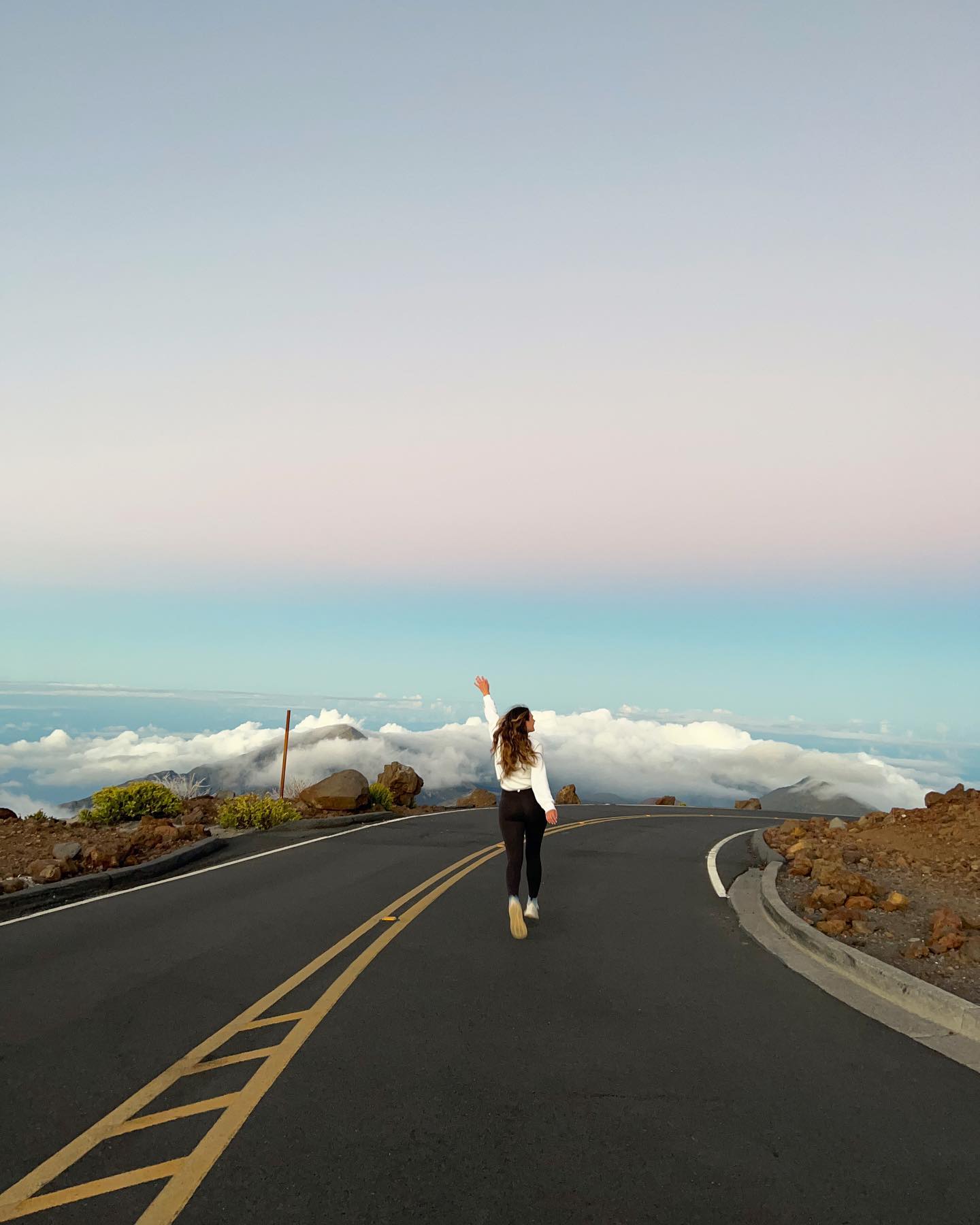
The actual biking begins just outside the national park boundary at 6,500 feet. You'll descend 15 to 20 miles down the volcano's slopes, navigating sweeping switchbacks and enjoying panoramic views of the island.
Tour operators outfit you with high-quality equipment for the ride. Expect custom Kona mountain bikes with disc brakes, full-face or standard helmets, and heavy-duty Helly Hansen windbreaker suits to block the mountain chill.
As you descend from the alpine environment, the landscape transforms into the lush pastures and eucalyptus groves of Upcountry Maui. Most routes finish in historic, charming towns like Makawao or Haiku.
You can choose to ride with a professional guide who leads the way and shares local history, or opt for a self-guided tour where you ride at your own pace and stop whenever you want.
Before you reserve your spot for a Haleakalā downhill ride, there are a few important logistics and physical requirements you need to keep in mind to ensure a safe trip.
These tours are not for beginners. You must have recent bike riding experience and be comfortable riding on roads with cars. Riders can reach speeds of 25-30mph on a 5-6% gradient.
Due to Maui County law and equipment limits, all riders must be at least 15 years old. The minimum height requirement is generally 4'10" to 5'0", and the maximum weight limit ranges from 270 to 300 lbs depending on the outfitter.
The high altitude and physical nature of the descent mean these tours are strictly not recommended for pregnant travelers, people with spinal injuries, or those with poor cardiovascular health.
You can book a fully guided tour where a professional paces the group, or a self-guided (express) tour where you are dropped off at the 6,500-foot mark to ride down independently. Both options use the same high-quality bikes.
Not all bike tours enter Haleakalā National Park. "Express" or "Day" tours usually start right at the 6,500-foot boundary outside the park. If you want to see the crater, make sure you book a "Sunrise" tour that includes the summit drive.
Temperatures at the summit can be 30 to 50 degrees colder than at sea level. Dress in warm layers and wear closed-toe shoes. The tour companies will provide heavy windbreaker jackets and pants, plus gloves.
Most tour operators offer a full refund if you cancel at least 24 hours before your scheduled departure time. Tours run rain or shine, but operators may cancel for severe weather.
Swipe to see more
| Guided Sunrise Bike Tour | Self-Guided Sunrise Tour | Express Downhill Tour | |
|---|---|---|---|
| Tour Style | Guided Group | Self-paced | Self-paced or Guided |
| Duration | 7-8 hours | 7 hours | 4-5 hours |
| Includes Summit Sunrise? | Yes | Yes | No (Starts at 6,500ft) |
| Price from | $279.00 | $238.00 | $139.00 |
Swipe to see more
Haleakalā National Park is open 24 hours a day, 365 days a year. However, if you are driving yourself to the summit for sunrise (between 3:00 am and 7:00 am), a vehicle reservation is strictly required.
Visitor center hours vary by location:
If you book a commercial bike tour, your operator will handle all the early morning timing and entry logistics for you.
Haleakalā is located on the island of Maui. The summit is about 38 miles from Kahului Airport, which typically takes 1.5 to 2.5 hours to drive due to the steep, winding Haleakalā Highway.
There is absolutely no public transportation that services the national park. You must rent a car or book a commercial tour. If you are doing a bike tour, your outfitter will provide a shuttle from their base location (often in Paia, Haiku, or Makawao) to either the summit or the 6,500-foot staging area.
The best time to visit the summit and do a bike tour is during the drier summer months. This period offers the most stable weather, clear skies for stargazing, and incredible sunrise views (which occur between 5:30 and 6:30 am year-round).
Winter and wet-season months can bring extreme and unpredictable weather to the summit, including bone-chilling hail, freezing rain, high winds, and thick cloud walls that block visibility. Bike tours still operate rain or shine, but will cancel if conditions become unsafe.
While the visitor centers, the summit building, and the Puʻu ʻUlaʻula Overlook are wheelchair accessible, the bike tours are not. Biking down the volcano requires a moderate level of physical fitness, full mobility, and recent cycling experience.
Elderly visitors or anyone joining just the van portion of a tour should be aware of the extreme altitude. The summit sits at 10,023 feet, which can cause breathing difficulties or altitude sickness. It is highly recommended to consult a doctor before ascending if you have heart or respiratory conditions.
There are no food outlets, restaurants, or gas stations located anywhere inside Haleakalā National Park. If you are driving yourself, you must fill your gas tank in nearby towns like Pukalani or Paʻia.
Bike tours typically provide bottled water and some snacks, and many include a stop in a local Upcountry town like Haiku or Makawao where you can purchase breakfast or lunch. Accessible restrooms are available at all park visitor centers and the Kalahaku Overlook.
Haleakalā is a deeply sacred site to Native Hawaiians and a protected biosphere reserve. Visitors must follow strict rules to protect the environment:
Yes, recent biking experience is strictly required by all tour operators. You must be completely comfortable balancing, braking, and riding on shared roads with vehicle traffic, as you will be descending a 5-6% gradient and hitting speeds up to 30mph.
By Maui County law, all riders must be at least 15 years old. Additionally, riders must be a minimum of 4'10" to 5'0" tall (depending on the company) and weigh no more than 270 to 300 lbs due to bike manufacturer limits.
No. Commercial biking is not allowed inside Haleakalā National Park. If you book a sunrise tour, the van will take you to the 10,023-foot summit to watch the sun come up, but you will then be driven back down to the 6,500-foot mark outside the park boundary to actually begin the bike ride.
You must wear closed-toe shoes and dress in warm layers, as summit temperatures can drop near freezing. The tour companies will provide you with heavy-duty Helly Hansen windbreaker jackets and pants, gloves, and a helmet.
Yes. Companies like Maui Sunriders and Bike Maui offer self-paced tours. You get the same shuttle ride up and equipment, but you can ride down the mountain independently, stopping at local shops and restaurants along the way.
Tours that include the summit sunrise experience generally include the park entrance fee and handle the sunrise reservation for you. However, "Express" or "Day" tours that only go to the 6,500-foot staging area do not enter the park, so no fee is required.
No. Due to the high speeds, winding switchbacks, and general risks associated with downhill mountain biking, all tour operators strictly prohibit pregnant travelers from participating.
Bike tours generally operate rain or shine, so you should dress appropriately. However, if conditions become too dangerous (like extreme winds or hail), the operator may cancel the biking portion. Most companies offer a full refund or a chance to reschedule if they cancel within 48 hours.
While you can control your own speed with the bike's disc brakes, riders typically reach speeds of 25 to 30 mph on the descent. The road features dozens of sharp switchbacks and an average gradient of 5-6%.
No, you must use the bikes provided by the tour companies. They use custom-built Kona mountain bikes or heavy-duty cruisers equipped with special front-suspension and disc brakes specifically maintained for this intense downhill route.
Browse verified tours with free cancellation and instant confirmation.
Find Tours
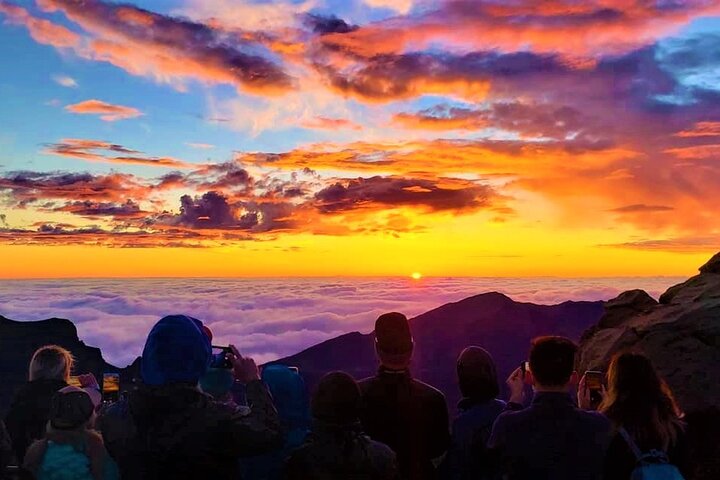

Start your morning at the summit of Haleakala to watch the sunrise over the crater. After the sun is up, your guides will take you to the 6,500-foot level to begin a 20-mile bike descent. The route includes riding the mountain’s switchbacks twice before a shuttle takes you to Makawao. From there, you will finish the ride by pedaling through upcountry terrain to Haiku. This tour includes NAI-certified guides, park entrance fees, and all necessary equipment: custom Kona mountain bikes, Bell helmets, Dakine backpacks, and Helly Hansen rain gear. Because summit temperatures are often near freezing, please bring layered clothing, a warm jacket, a knit cap, and closed-toe shoes. You should also pack water, snacks, and sunscreen for the descent. Participants must be at least 12 years old, at least 4'10" tall, and weigh no more than 270 lbs. Recent bike riding experience is required. This activity is not open to pregnant women or those taking medication that causes drowsiness. All riders must wear closed-toe shoes and be physically capable of completing the 20-mile outdoor descent.
For a full refund, cancel at least 24 hours before the scheduled departure time.
English


Maui Sunriders has spent over 25 years running self-guided bike tours on Haleakala, and it remains a popular activity for visitors who return to the island annually. The trip starts with a van ride up to 6,500 feet, just outside the National Park boundary. During the drive, your driver points out local history and suggests places to grab a bite or browse shops on your way back down. Because the company is owned by USA Cycling Coaches and BICP Certified instructors, the bikes are kept in top condition by expert mechanics at three full-service shops on the island. Once you start the ride, you are in control of the pace. You can stop to take photos of the volcano's upper slopes or spend time in Makawao exploring the local art galleries, churches, and restaurants. This self-guided format is designed for those who want to see the sights of Upcountry Maui at their own speed without the pressure of staying with a group.
For a full refund, cancel at least 24 hours before the scheduled departure time.
English


Start your morning at the summit of Haleakala to watch the sunrise before heading to the 6,500-foot elevation mark just outside the National Park boundary. From there, you will begin a guided 15-mile bike descent through Maui’s changing landscapes, finishing in the historic Upcountry town of Makawao. We provide all necessary gear, including Kona mountain bikes, Bell helmets, Dakine backpacks, and Helly Hansen rain gear. Your tour also includes the National Park entrance fee and the expertise of NAI Certified Guides. Because temperatures vary significantly from the summit to the coast, please wear layered clothing, including a sweatshirt or jacket and a knit cap. Closed-toe shoes are required for all riders. You should also bring sunglasses, sunscreen, water, and small snacks. Participants must be at least 15 years old, at least 4'10" tall, and weigh no more than 270 lbs. For safety, recent cycling experience is required, and riders must be physically capable of enduring this outdoor activity. We cannot accommodate riders who are pregnant or taking medication that may cause drowsiness. All participants must understand the risks involved and sign a risk acknowledgment form before the tour begins.
For a full refund, cancel at least 24 hours before the scheduled departure time.
English


This tour is designed for those who want to focus on the descent. You will start your 15-mile ride at the 6,500-foot mark, just outside the Haleakala National Park entrance. From there, you follow the volcano’s switchbacks all the way down to the North Shore town of Haiku. We provide all the necessary gear, including Kona mountain bikes, Bell helmets, Helly Hansen rain gear, and Dakine backpacks. NAI certified guides lead every trip. To participate, riders must be at least 15 years old, at least 4’10” tall, and weigh no more than 270 lbs. Recent bike riding experience is required to safely navigate the route. Please wear closed-toe shoes and bring a sweatshirt or jacket for the cooler temperatures at higher elevations. You should also bring sunscreen, sunglasses, water, and snacks. This activity is not open to pregnant women or anyone taking medication that may cause drowsiness.
For a full refund, cancel at least 24 hours before the scheduled departure time.
English


This tour begins in Paia with a shuttle ride to the 10,023-foot summit of Haleakala National Park. You will arrive at the top in time to watch the sunrise over the volcanic crater, providing a clear view of the expansive, moon-like landscape before the bike portion of the trip begins. The downhill ride starts at the 6,500-foot elevation mark, just outside the National Park entrance. You will cycle through the scenic Upcountry regions of Kula and Makawao, following a route that winds down the slopes of the volcano. The descent offers a unique perspective of Maui’s rural hillsides and local towns as you head toward the coast. The tour concludes back at our office in the seaside town of Paia. We meet for all departures at our shop located at 497 Baldwin Ave, Paia, HI.
For a full refund, cancel at least 24 hours before the scheduled departure time.
English


This excursion begins with a guided visit to Haleakala National Park's summit area. After touring the park, you will begin a 15-mile downhill ride from the 6,500-foot elevation mark on custom Kona mountain bikes. The route winds down the mountain slopes, offering clear views of the island and the surrounding coastline. The tour includes stops for a casual breakfast and a visit to the historic town of Makawao. We provide all essential gear, including NAI-certified guides, Bell helmets, Helly Hansen rain gear, and Dakine backpacks. Participants should bring layered clothing, a jacket, sunscreen, and water to stay comfortable through the changing elevations. Safety requirements include a minimum age of 12, a minimum height of 4'10", and a maximum weight of 270 lbs. Riders must have recent cycling experience and be in good physical condition. Closed-toe shoes are required, and participants must not be pregnant or taking any medication that causes drowsiness.
For a full refund, cancel at least 24 hours before the scheduled departure time.
English


This downhill bike tour has been a staple on Maui for over 30 years. The journey begins at the entrance of Haleakala National Park and follows a scenic route down the mountain, ending in the coastal town of Paia. Our guides lead the way, highlighting historic landmarks and stopping at specific points for photos along the descent. Check-in is at 7:30 AM at the Maui Mountain Riders office. You will return to the office between 11:30 AM and 12:00 PM, depending on the season and pace of the group.
For a full refund, cancel at least 24 hours before the scheduled departure time.
English


The Pre-Dawn tour offers a similar experience to our sunrise trip at a lower price point and with better availability. You will watch the morning sky change colors from a vantage point just outside the Haleakala National Park entrance, capturing the same early light without the park crowds. Once the sun is up, the journey continues on two wheels. Starting from the 6,500-foot elevation mark, you’ll begin a guided bicycle descent through the hillsides of Upcountry Maui. The route takes you through open pastures and small towns, ending at the coast in Paia.
For a full refund, cancel at least 24 hours before the scheduled departure time.
English


The Maui Express Bike Tour is an independent cycling experience for those who prefer to explore without a guide. It provides a budget-friendly way to see the island while utilizing the same equipment and starting location as our guided excursions. After departing from our main base, you are free to navigate the route at a pace that suits you. Because there is no set group schedule, you can pull over for photos or spend extra time at scenic viewpoints whenever you like.
For a full refund, cancel at least 24 hours before the scheduled departure time.
English